

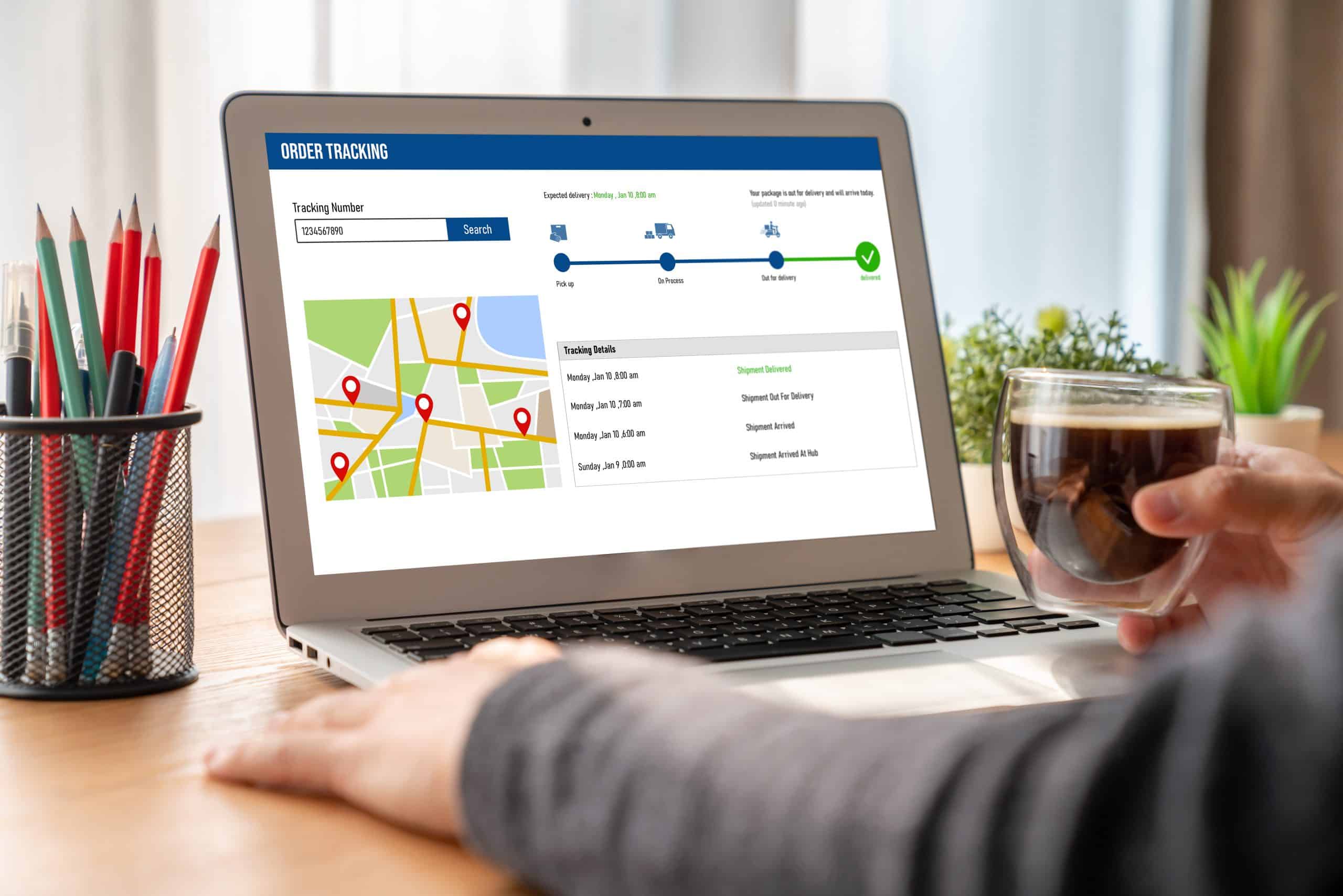
If you run a local business in Australia, understanding how a google maps rank checker works can be the difference between appearing in the “Local Pack” and being invisible to nearby customers. Over the past several years working with Australian service-based businesses from tradies in Brisbane to dentists in Melbourne I’ve seen firsthand how local map rankings directly influence calls, bookings and walk-ins.
More Australians rely on Google to find nearby services than ever before. According to the Australian Communications and Media Authority (ACMA), over 90% of Australians access the internet regularly, with search engines being a primary gateway to local services. Meanwhile, Google reports that searches including “near me” continue to grow globally, reflecting strong local intent behaviour.
Yet ranking in Google Maps isn’t random. It follows a clear system. And that’s where a google maps rank checker becomes essential.

Featured Snippet: What Is a Google Maps Rank Checker?
A google maps rank checker is a tool that tracks where your business appears in Google Maps and local search results for specific keywords and locations. It helps Australian businesses monitor visibility, compare competitors, and identify optimisation opportunities to improve local rankings.
Table of Contents
-
Why Google Maps Rankings Matter in Australia
-
How Google Maps Rankings Work
-
What a Google Maps Rank Checker Actually Tracks
-
Key Features to Look for in a Google Maps Rank Checker
-
Australia-Specific Ranking Factors
-
Manual vs Automated Rank Checking
-
Comparison Table: Free vs Paid Google Maps Rank Checker Tools
-
Step-by-Step Checklist to Improve Maps Rankings
-
Common Mistakes Australian Businesses Make
-
People Also Ask: Google Maps Rank Checker
-
Advanced Q&A Section
-
Conclusion
Why Google Maps Rankings Matter in Australia
When someone searches “electrician Sydney” or “best café Perth”, Google typically shows:
-
Paid ads
-
The Local 3-Pack (Google Maps listings)
-
Organic website results
The Local Pack appears above traditional organic listings. Therefore, if you’re not ranking there, you’re missing high-intent traffic.
According to Google Business Profile Help, local rankings are based on relevance, distance, and prominence. That means:
-
Relevance: How well your profile matches the search.
-
Distance: How close you are to the searcher.
-
Prominence: How well-known and trusted your business appears online.
A google maps rank checker gives you measurable insight into those factors in real time.
How Google Maps Rankings Work
Understanding the “why” behind rankings helps you use a google maps rank checker more strategically.
1. Relevance
Google evaluates your Business Profile categories, description, services, and content to match search intent.
For example:
-
“Plumber Melbourne emergency” → emergency plumbing category + service mention.
2. Distance
Google calculates proximity based on:
-
Searcher’s location
-
Business address
-
Service areas (if configured)
3. Prominence
Prominence depends on:
-
Reviews (volume and sentiment)
-
Backlinks
-
Local citations
-
Brand mentions
-
Website authority
According to Google’s Local Ranking Documentation, prominence reflects how well-known a business is both online and offline.
What a Google Maps Rank Checker Actually Tracks
A quality google maps rank checker monitors:
-
Keyword rankings by suburb or postcode
-
Grid-based visibility across a map
-
Local Pack placement
-
Competitor rankings
-
Historical ranking changes
-
Average ranking positions
From my experience working with Australian service businesses, grid-based tracking is especially powerful. It shows visibility across multiple points in suburbs like Parramatta, St Kilda, or Fremantle rather than just one central location.
This matters because rankings vary street by street.
Key Features to Look for in a Google Maps Rank Checker
When selecting a google maps rank checker in Australia, prioritise:
Location-Specific Tracking
Australia’s metro areas are spread out. Sydney alone spans dozens of suburbs. A tool must track rankings at postcode or suburb level.
Mobile vs Desktop Tracking
Local searches are heavily mobile-driven. The Australian Bureau of Statistics confirms widespread smartphone adoption across households, meaning mobile rankings often matter more than desktop.
Competitor Benchmarking
The ability to compare against 3–5 local competitors gives context. Ranking #7 sounds decent — until you see competitors dominating the top 3 consistently.
Review Monitoring Integration
Reviews strongly impact prominence. Some advanced tools integrate review analytics.
Australia-Specific Ranking Factors
Although Google’s algorithm is global, Australian market conditions influence strategy.
1. Suburb-Based Search Behaviour
Australians frequently search using suburb modifiers:
-
“Mechanic Footscray”
-
“Accountant Toowoomba”
Therefore, your google maps rank checker should track suburb-specific keywords.
2. Service Area Businesses (SABs)
Many Australian tradies operate without a storefront. Google allows hidden addresses with defined service areas. However, ranking radius tends to be tighter for SABs compared to physical storefronts.
3. Review Culture in Australia
Australians trust online reviews heavily. According to the ACCC, online reviews significantly influence purchasing behaviour. Consistent 4.5+ star ratings strongly correlate with Local Pack visibility.
Manual vs Automated Rank Checking
Some business owners manually search their keywords. However, this approach has flaws:
-
Results are personalised
-
Location affects visibility
-
Search history influences rankings
-
Time-consuming
A google maps rank checker removes bias by simulating neutral search environments.
Manual Checking: Pros and Cons
Pros:
-
Free
-
Immediate view
Cons:
-
Inaccurate
-
Non-scalable
-
No historical tracking
Comparison Table: Free vs Paid Google Maps Rank Checker Tools
| Feature | Free Methods | Paid Google Maps Rank Checker |
|---|---|---|
| Neutral Search Simulation | Limited | Yes |
| Grid Tracking | No | Yes |
| Historical Data | No | Yes |
| Competitor Tracking | Manual | Automated |
| Scalability | Low | High |
| Reporting | None | Detailed reports |
For businesses serious about growth, paid tracking is generally more reliable.
Step-by-Step Checklist to Improve Maps Rankings
Here’s a practical process we typically recommend to Australian businesses:
1. Fully Optimise Google Business Profile
-
Correct primary category
-
Add secondary categories
-
Complete services list
-
Upload geo-tagged photos
2. Collect Consistent Reviews
-
Ask after service completion
-
Respond professionally
-
Avoid incentivised reviews
3. Optimise Website Landing Pages
-
Include suburb keywords
-
Embed Google Map
-
Add schema markup
4. Build Local Citations
-
Yellow Pages Australia
-
True Local
-
Industry associations
5. Monitor Using a Google Maps Rank Checker
-
Track core keywords weekly
-
Compare suburb grids
-
Identify ranking dips
6. Adjust Strategy Based on Data
If rankings drop in specific suburbs, investigate:
-
Competitor review growth
-
New listings
-
NAP inconsistencies
For tailored local ranking strategies, you can explore proven optimisation frameworks through this specialised Australian local SEO team:
👉 Australian local SEO strategy experts
Common Mistakes Australian Businesses Make
Ignoring Proximity Limits
Even a perfectly optimised profile won’t rank 25 km away consistently.
Keyword Stuffing Business Names
Adding “Best Plumber Sydney Cheap 24/7” violates Google guidelines and risks suspension.
Inconsistent NAP Information
Name, Address, Phone inconsistencies confuse Google’s data systems.
Tracking Only One Keyword
A comprehensive google maps rank checker tracks multiple variations.
People Also Ask: Google Maps Rank Checker
How accurate is a google maps rank checker?
Most reputable tools simulate unbiased searches using fixed GPS points. While no tool is perfect, they provide far more reliable data than manual searching.
Can I check Google Maps rankings for free?
You can manually search in incognito mode, but results vary by location. Free methods lack historical tracking and suburb grid visibility.
How often should I check Google Maps rankings?
Weekly tracking is ideal for active campaigns. Monthly may suffice for stable businesses.
Does review quantity affect Maps rankings?
Yes. Reviews contribute to prominence. Higher review volume and strong ratings generally improve trust signals.
Advanced Q&A Section
1. How does grid-based tracking improve local SEO decisions?
Grid tracking reveals ranking strength across multiple map points. This helps identify “ranking gaps” in suburbs where competitors dominate.
2. Why do rankings fluctuate daily?
Google constantly recalibrates based on proximity signals, competitor activity, review growth, and algorithm adjustments.
3. Can a service area business rank as strongly as a storefront?
It can, but ranking radius may be tighter. Optimising reviews and citations becomes even more critical.
4. Do backlinks impact Google Maps rankings?
Yes. According to multiple industry studies, backlinks increase domain authority, which contributes indirectly to prominence in local results.
5. Is ranking #1 guaranteed to stay stable?
No. Rankings change due to competitor optimisation, new reviews, and algorithm updates. Continuous monitoring is essential.
Conclusion
A google maps rank checker is not just a reporting tool it’s a strategic asset for Australian businesses competing in local search. By tracking suburb-specific visibility, monitoring competitors, and analysing ranking trends, you gain control over your local growth strategy.
Importantly, success in Google Maps requires more than keywords. It demands consistent reviews, accurate listings, strong local signals, and ongoing optimisation.
If you want structured, data-driven local SEO support tailored to Australian markets, consider partnering with experienced specialists who understand suburb-level competition and search behaviour.
Local visibility isn’t luck it’s measurable, optimisable, and scalable when you use the right strategy.