

Table of Contents
-
Introduction
-
Featured Definition
-
Why Local Rankings Matter in Australia
-
How Google Map Rank Tracker Works
-
Core Benefits for Australian Businesses
-
Comparison: Onshore vs Offshore Rank Tracking
-
Top Tools for Google Map Rank Tracking
-
Step-by-Step Checklist to Track Your Map Rankings
-
People Also Ask (PAA)
-
FAQs / Expert Q&A
-
Conclusion & Next Steps
1. Introduction
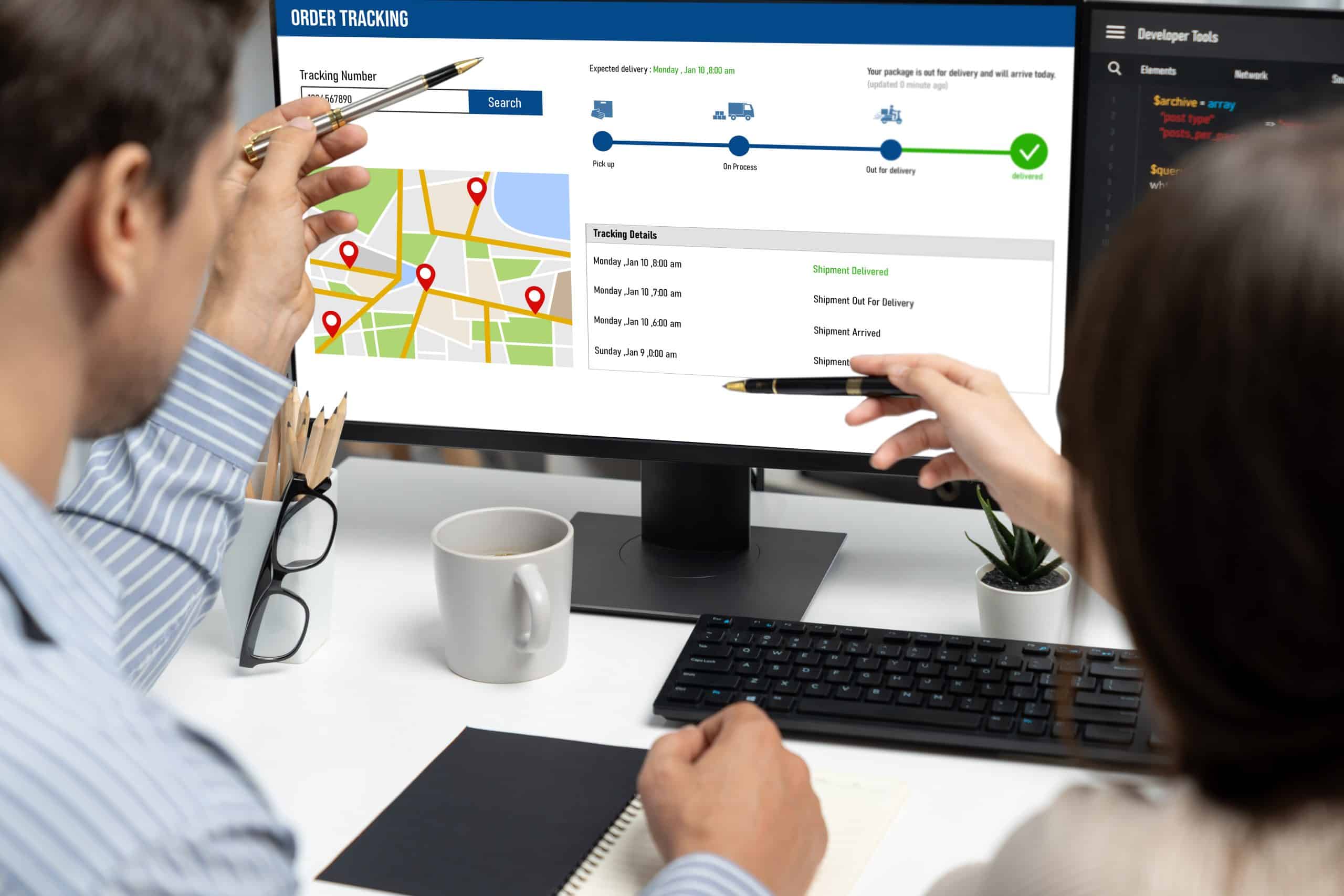
The google map rank tracker is essential for any Australian business that wants to understand and improve how it appears in Google’s local search results. In my years helping Australian small businesses and national brands with local SEO, I’ve seen that tracking your Google Maps rankings isn’t a “nice-to-have” it’s a competitive requirement if you want customers finding you before they find competitors.
In this guide, you’ll learn exactly what a Google Map Rank Tracker does, why it matters in Australia, how to use it, and what steps to take to improve your visibility with clear, practical advice you can apply today.
2. Featured Definition
Google Map Rank Tracker
A Google Map Rank Tracker is a local SEO tool that shows where a business appears in Google Maps search results for specific keywords in Australia. It helps you monitor visibility, measure improvements over time, and optimise listings to attract customers near you. Tracking is based on location, keyword, and device insights for precise local rankings.
3. Why Local Rankings Matter in Australia
Local search especially map pack results drives many “near me” and place-based searches. According to Google’s Search Statistics global data, almost 50% of searches have local intent. In Australia this is especially true in cities like Sydney, Melbourne, and Brisbane where mobile “near me” queries are rising.
Being ranked higher in Google Maps means:
-
More people see your business when they search locally.
-
You get increased calls, direction requests, and website clicks.
-
You outperform competitors that neglect local SEO.
For Australian SMBs (small and medium businesses), local search visibility can lead directly to revenue especially in services like trades, healthcare, restaurants, and retail.
4. How Google Map Rank Tracker Works
A Google Map Rank Tracker queries Google Maps (or the local “map pack” in regular search) for specific keyphrases and returns your business’s position relative to competitors. Typical mechanics include:
-
Keyword targeting: e.g. “plumber Sydney” or “best cafe Melbourne CBD.”
-
Location simulation: Aussie rank trackers check rankings from specific suburbs or postcodes.
-
Device type: Desktop vs mobile can yield different results.
-
Historical trends: Track movement over time to measure improvement.
Most professional tools simulate search behaviour without violating Google’s terms by using API access or proxying queries.
This data helps you answer key questions:
-
Am I improving in search visibility?
-
Which keywords show low rankings?
-
How effective are my local SEO efforts?
5. Core Benefits for Australian Businesses
5.1 Understand Local Visibility
With map rank tracking, you get proof of how visible your business is where it matters — in local search results that drive foot traffic.
5.2 Benchmark Against Competitors
Tracking competitors lets you see which keywords they own and helps prioritise your optimisation efforts.
5.3 Prioritise SEO & Maps Optimisation
You can focus on keywords with higher traffic potential and improve them using content and profile optimisation.
5.4 Measure Impact Over Time
By recording weekly or monthly rank data, you see whether SEO changes are helping.
6. Comparison: Onshore vs Offshore Rank Tracking
| Feature | Onshore (Australia-based) | Offshore (Global) |
|---|---|---|
| Local Data Accuracy | ⭐⭐⭐⭐⭐ (high) | ⭐⭐⭐ (medium) |
| Local Support & Time Zones | ⭐⭐⭐⭐⭐ | ⭐⭐ |
| Cost | ⭐⭐⭐ (moderate) | ⭐⭐⭐⭐ (lower) |
| Understanding of Aussie SEO | ⭐⭐⭐⭐⭐ | ⭐⭐ |
| Integration with Local Tools | ⭐⭐⭐⭐⭐ | ⭐⭐⭐ |
Why this matters: Australian ranking positions can vary widely by suburb/postcode due to localised results. Australia-based tools and support tend to offer better contextual insights for Aussie businesses.
7. Top Tools for Google Map Rank Tracking
Here are well-known tools used for tracking local SEO performance, including Australia:
-
BrightLocal – Widely used for Google Maps and local rank tracking with strong Aussie location support.
-
SEMrush Local Rank Tracker – Includes local pack tracking and integrates with broader SEO metrics.
-
Whitespark – Focuses on local rank tracking and citations.
-
Moz Local – Offers local listing management and ranking data.
Each has price tiers, so choose based on your business size and tracking needs. Generally, more precise location simulation (e.g. by specific Sydney suburb) costs more.
External references like BrightLocal’s ranking overview and SEMrush’s rank tracking insights are helpful for understanding capabilities:
8. Step-by-Step Checklist to Track Your Map Rankings
Use this numbered checklist to get started and remain consistent:
-
Define target keywords specific to your service and location (e.g., “dentist Perth CBD”).
-
Choose a rank tracking tool that supports Australian sub-locations.
-
Configure tracking with precise postcodes or suburbs (e.g., 2000, 3000).
-
Set device preferences (desktop and mobile).
-
Run initial baseline scans to record starting positions.
-
Analyse competitor rankings to identify gaps.
-
Optimise your Google Business Profile (photos, keywords, services).
-
Collect reviews consistently both volume and quality help rankings.
-
Monitor rank results weekly or monthly.
-
Adjust SEO actions based on observed trends.
Tracking should be a recurring task, not a “one-off.”
9. People Also Ask (PAA)
What is a Google Map Rank Tracker?
A Google Map Rank Tracker monitors where your business appears in Google’s map listings for chosen keywords and locations in Australia. It helps you measure local visibility and compare with competitors.
How often should I check my Google Maps rankings?
Weekly is ideal for active optimisation, while monthly tracking is fine for small businesses. Frequent checks help you respond to changes quickly without over-reacting to normal fluctuations.
Does Google Map ranking affect SEO website traffic?
Yes. Strong map rankings increase visibility in search results and often drive more clicks to your site or calls to your business, especially for local queries.
10. FAQs / Expert Q&A
Q1: Why do my map rankings fluctuate in Australia?
Rankings can shift due to competitor updates, recent reviews, Google algorithm tweaks, or changes in local behaviour. Always check trends over time rather than isolated shifts.
Q2: How do local reviews impact map rankings?
Quality and quantity of Google reviews are a strong local ranking signal. More positive reviews can improve visibility, especially when reviews mention relevant keywords.
Q3: Can I track multiple Australian locations?
Yes. Most professional tools let you set up multiple locations (e.g., Sydney, Melbourne), each with their own keyword sets and rankings.
Q4: Does ranking higher guarantee more customers?
Higher rankings improve visibility but quality listing content, strong reviews, and accurate business info are also needed to convert searchers to customers.
Q5: Should I focus on organic SEO or map rankings first?
For local service businesses, map rankings should be prioritised early because they drive immediate local traffic. Organic SEO continues to be important for broader visibility.
11. Conclusion & Next Steps
Understanding and tracking your google map rank tracker positions is not optional it’s central to local SEO success in Australia. By using the right tools, monitoring consistently, and taking action based on real data, you put your business ahead of competitors and closer to customers.
For tailored guidance to improve your local SEO and map rankings, explore practical services and insights at RevGenX Australia’s local SEO solutions where Australian businesses grow visibility, traffic, and customer engagement.