

Google Maps Ranking Factors: A Practical Guide for Australian Businesses
google maps ranking factors
Table of Contents
-
Introduction
-
What Are Google Maps Ranking Factors? (Featured Definition)
-
How Google Determines Map Rankings
-
3 Core Signals: Relevance, Distance, Prominence
-
Secondary Signals That Influence Rankings
-
-
On-Map vs Website: What You Can Control
-
Local SEO Checklist (Numbered Steps)
-
Comparison: Onshore vs Offshore Local Signals
-
People Also Ask (Australia-Focused)
-
Expert Q&A: Deep Dive Into Ranking Nuances
-
Conclusion & Next Steps
1. Introduction
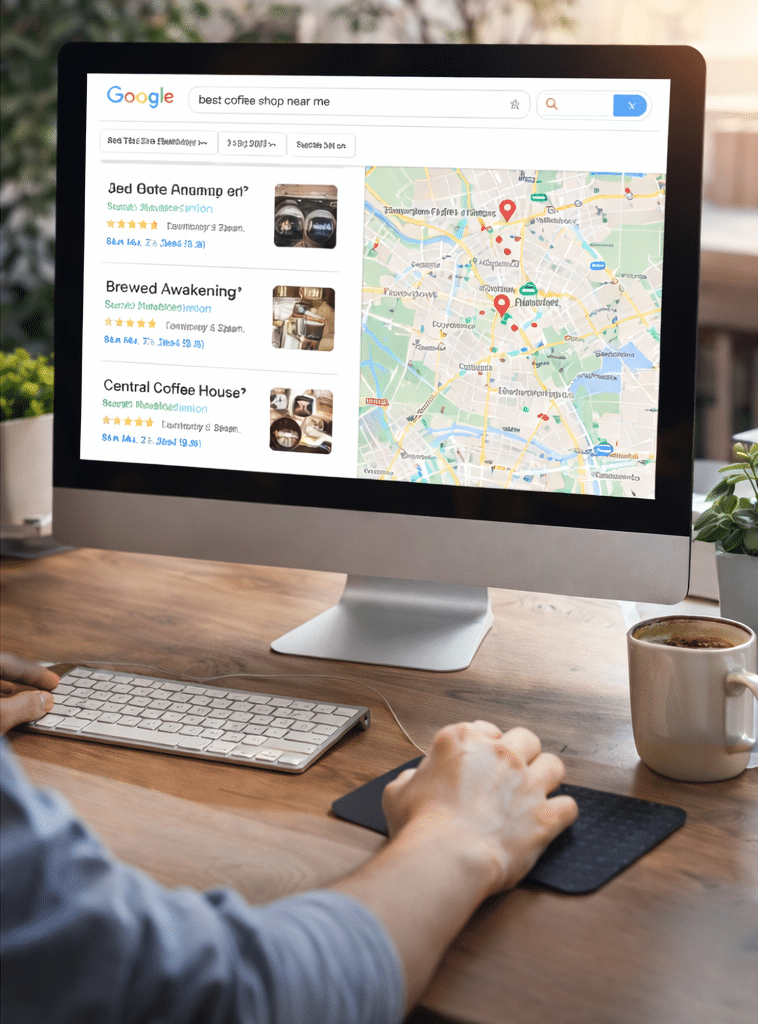
When Australian business owners search google maps ranking factors, they’re asking how to get their business to appear higher in Google Maps Local Pack and local search results. This article walks through the google maps ranking factors that really matter right now, with actionable insight grounded in SEO best practices and real-world Australian local search behaviour.
From my experience helping local businesses improve visibility, mastering these ranking factors will make your business easier to find for customers already ready to buy.
2. What Are Google Maps Ranking Factors?
Featured Definition (40-55 words):
Google Maps ranking factors are the signals Google uses to decide which local business listings appear first in the local Map Pack and Maps results. These include relevance to the search query, distance from the user, business prominence, review quality, citation consistency and engagement metrics that reflect real customer interaction.
3. How Google Determines Map Rankings
Google uses a combination of signals to determine where a business appears in local search and Maps. The most important are:
Relevance
Relevance measures how well your listing matches what the searcher wants – including keywords in your business category, description, and services.
Distance (Proximity)
This reflects how close your business is to where the query originates. While you can’t change location, you can optimise service areas and ensure listings reflect accurate geographic data.
Prominence
Prominence refers to how well-known and trusted your business appears online. This includes reviews, local backlinks, engagement, and business activity across platforms.
4. Primary & Secondary Ranking Signals
Below are the major on-map and off-map signals that influence your ranking:
Primary Map Signals
-
Business Profile completeness: All sections filled.
-
Categories & Keywords: Matches user search intent.
-
Reviews and ratings: Quality and quantity matter.
Secondary Signals
-
Citations & NAP consistency: Uniform business name, address and phone across listings.
-
User engagement: Clicks, calls, direction requests.
-
Local backlinks: Mentions from nearby directories and sites.
5. Local SEO Checklist (Numbered Steps)
Optimise your Maps and local presence with this checklist:
-
Claim and verify your Google Business Profile.
-
Complete every business detail (NAP, hours, services).
-
Add location-specific keywords.
-
Encourage high-quality Google reviews.
-
Respond to all reviews positive and negative.
-
Upload regular photos and posts.
-
Ensure NAP consistency across listings.
-
Earn local backlinks from credible Australian sources.
-
Track performance regularly via Business Profile Insights.
6. Comparison: Onshore vs Offshore Local Signals
| Signal Type | Onshore (Australia) Impact | Offshore Impact |
|---|---|---|
| Local backlinks | High improves trust within regional sites | Low |
| Citations in local directories | Strong adds consistency | Weak |
| Reviews from local customers | Stronger relevance | Less impact |
| Google Business profile engagement | Very high | Medium |
Logic: Google gives greater relevance to businesses that show local credibility and engagement with local customers.
7. People Also Ask (Australia Focused)
Q: What specifically affects my ranking in Google Maps in Australia?
A: Key factors include complete and accurate Google Business Profile info, local reviews, category relevance, and engagement from users searching within Australia.
Q: Do distance and proximity matter more than reviews?
A: Proximity matters, but strong reviews can help offset being slightly further from a searcher.
Q: What role do backlinks play?
A: Backlinks from respected local sites help Google understand your business is authoritative within your region.
8. Expert Q&A: High-Value Local Search Answers
Q1: Can a business with fewer reviews outrank one with more reviews?
A: Yes relevance to the query and recent positive engagement can outweigh sheer review count.
Q2: How often should I update my business profile?
A: Monthly or when offerings or hours change showing activity helps rankings.
Q3: Should I embed Maps on my website?
A: Yes embedding a consistent map helps reinforce location relevance.
Q4: Do reviews from outside Australia count?
A: They help, but local reviews carry stronger geographical relevance.
Q5: How long does it take to see ranking improvements?
A: With consistent optimisation, measurable improvements can appear in 6–12 weeks.
9. Conclusion & Next Steps
Understanding google maps ranking factors is crucial to winning local visibility in Australia. Start by completing your Google Business Profile, building local reviews, and aligning every signal with what searchers want. These efforts help convert searchers into customers.
Ready to boost your local search presence further? Explore tailored local SEO strategies with RevGenX Digital Marketing experts at your business starting with strategic optimisation and ongoing improvement that drives results at scale: https://revgenx.com.au/