

Table of Contents
-
Introduction
-
Definition
-
What Are Google Map Pack Ranking Factors?
-
Why Google Map Pack Matters for Australian Businesses
-
Core Google Map Pack Ranking Factors Explained
-
Relevance
-
Distance
-
Prominence
-
-
Key Ranking Signals You Can Control
-
Google Business Profile Optimisation Checklist
-
On-Page SEO vs Local SEO (Comparison Table)
-
Reviews and Reputation in Australia
-
Local Citations and NAP Consistency
-
Behavioural Signals and User Engagement
-
Technical and Website Factors
-
Content Strategy for Map Pack Rankings
-
People Also Ask (PAA)
-
Advanced Local SEO Tips
-
Q&A Section
-
Conclusion
Introduction
If you’re trying to grow your visibility in Australia, understanding google map pack ranking factors is essential. From my experience working with local businesses, the difference between appearing in the top three map results and being invisible often comes down to a handful of strategic decisions. These factors determine how Google ranks businesses in local search results, especially when users search for services “near me”.
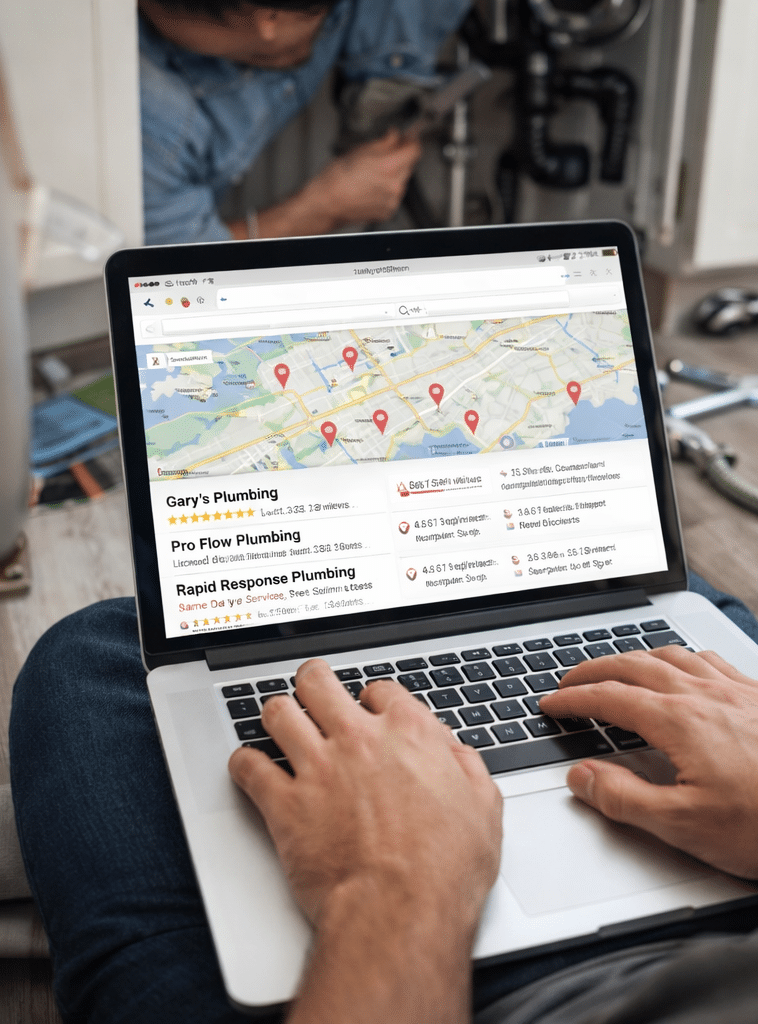
Many Australian businesses overlook local SEO, focusing only on websites. However, Google’s Map Pack, those top three listings shown with a map, is often where customers make quick decisions.
Definition
Google map pack ranking factors are the signals Google uses to determine which local businesses appear in the top three map results. These include relevance, distance, and prominence, along with reviews, business information accuracy, and website quality. Optimising these factors helps businesses improve local visibility and attract nearby customers.
What Are Google Map Pack Ranking Factors?
Google Map Pack ranking factors are part of Google’s local search algorithm. According to Google Business Profile guidelines, rankings are primarily based on:
-
Relevance
-
Distance
-
Prominence
However, in practice, there are many additional signals influencing these categories.
Why Google Map Pack Matters for Australian Businesses
In Australia, local searches such as “plumber Sydney” or “café near me Melbourne” often trigger Map Pack results. These listings:
-
Appear above organic results
-
Drive high click-through rates
-
Influence customer trust
According to research from BrightLocal, most consumers trust local business listings as much as personal recommendations.
Core Google Map Pack Ranking Factors Explained
1. Relevance
Relevance refers to how well your business matches a user’s search query.
For example:
-
A Brisbane electrician with detailed service descriptions will rank higher for “emergency electrician Brisbane”.
2. Distance
Distance considers how close your business is to the searcher.
Even if your business is well optimised, you may not rank if you’re too far from the search location.
3. Prominence
Prominence measures how well-known your business is, both online and offline.
This includes:
-
Reviews
-
Backlinks
-
Mentions across the web
Key Ranking Signals You Can Control
While distance is fixed, many other factors are within your control:
-
Google Business Profile optimisation
-
Review generation
-
Website SEO
-
Local citations
-
Content relevance
Google Business Profile Optimisation Checklist
Follow this numbered checklist to improve your rankings:
-
Claim and verify your business listing
-
Use your exact business name (no keyword stuffing)
-
Select the most relevant primary category
-
Add secondary categories carefully
-
Include complete business details (NAP)
-
Upload high-quality photos regularly
-
Write a keyword-rich business description
-
Post updates weekly
-
Enable messaging and booking features
-
Respond to all customer reviews
On-Page SEO vs Local SEO (Comparison Table)
| Factor | On-Page SEO | Local SEO (Map Pack) |
|---|---|---|
| Focus | Website content | Location-based visibility |
| Keywords | Broad and niche | Local + service keywords |
| Backlinks | High importance | Moderate importance |
| Reviews | Minimal impact | Major ranking factor |
| Google Profile | Not required | Essential |
| User Location | Not relevant | Critical |
Reviews and Reputation in Australia
Reviews are one of the most powerful google map pack ranking factors.
From my experience:
-
Businesses with 50+ reviews rank significantly higher
-
Response rate also influences trust
Google considers:
-
Quantity
-
Quality
-
Recency
According to Moz Local Ranking Factors, reviews are among the top contributors to local rankings.
Local Citations and NAP Consistency
NAP stands for:
-
Name
-
Address
-
Phone number
Consistency across directories like:
-
Yellow Pages Australia
-
True Local
-
Yelp
…helps Google verify your business legitimacy.
Behavioural Signals and User Engagement
Google tracks how users interact with your listing:
-
Click-through rate
-
Calls
-
Direction requests
If users frequently engage with your business, it signals relevance and popularity.
Technical and Website Factors
Even though Map Pack focuses on local listings, your website still plays a role.
Important elements include:
-
Mobile responsiveness
-
Page speed
-
Local keyword optimisation
-
Schema markup
Content Strategy for Map Pack Rankings
Content helps reinforce your relevance.
Create:
-
Location-based service pages
-
Blog posts targeting local keywords
-
FAQs addressing customer concerns
For example:
-
“Best SEO services in Sydney”
-
“How Melbourne cafés attract more customers”
If you’re serious about improving rankings, consider working with experts offering local SEO strategies tailored for Australian businesses.
People Also Ask (PAA)
What are the most important google map pack ranking factors?
The most important factors are relevance, distance, and prominence. However, reviews, business profile completeness, and website authority also significantly influence rankings.
How do I rank higher in Google Maps Australia?
Optimise your Google Business Profile, collect reviews, ensure NAP consistency, and create localised content relevant to your services and location.
Do reviews affect Google Map rankings?
Yes, reviews strongly impact rankings. Both the number and quality of reviews influence your business visibility in local search results.
How long does it take to rank in Google Map Pack?
It varies, but most businesses see improvements within 1–3 months after consistent optimisation.
Is local SEO different in Australia?
The core principles are the same globally, but local directories, competition levels, and user behaviour vary across Australian cities.
Advanced Local SEO Tips
-
Use geo-tagged images
-
Build local backlinks from Australian sites
-
Engage in community sponsorships
-
Optimise for voice search (“near me” queries)
Q&A Section
1. How does Google verify business legitimacy?
Google uses citations, reviews, and website signals to confirm a business is real and trustworthy.
2. Can small businesses compete in Map Pack rankings?
Yes, with strong optimisation and consistent reviews, even small businesses can outrank larger competitors.
3. Do keywords in business names help rankings?
They can, but overuse or keyword stuffing may violate guidelines and lead to penalties.
4. How important are photos in Google Business Profile?
Photos improve engagement and click-through rates, indirectly boosting rankings.
5. Should I update my Google Business Profile regularly?
Yes, frequent updates signal activity and relevance, helping maintain or improve rankings.
Conclusion
Understanding and applying google map pack ranking factors is one of the most effective ways to grow your visibility in Australia. By focusing on relevance, building strong reviews, and maintaining accurate business information, you can significantly improve your local rankings.
From my experience, consistency is the real advantage. Businesses that regularly optimise and engage with their listings outperform those that set and forget.
If you’re ready to take your local visibility seriously, explore proven strategies through expert-led services at RevGenX.